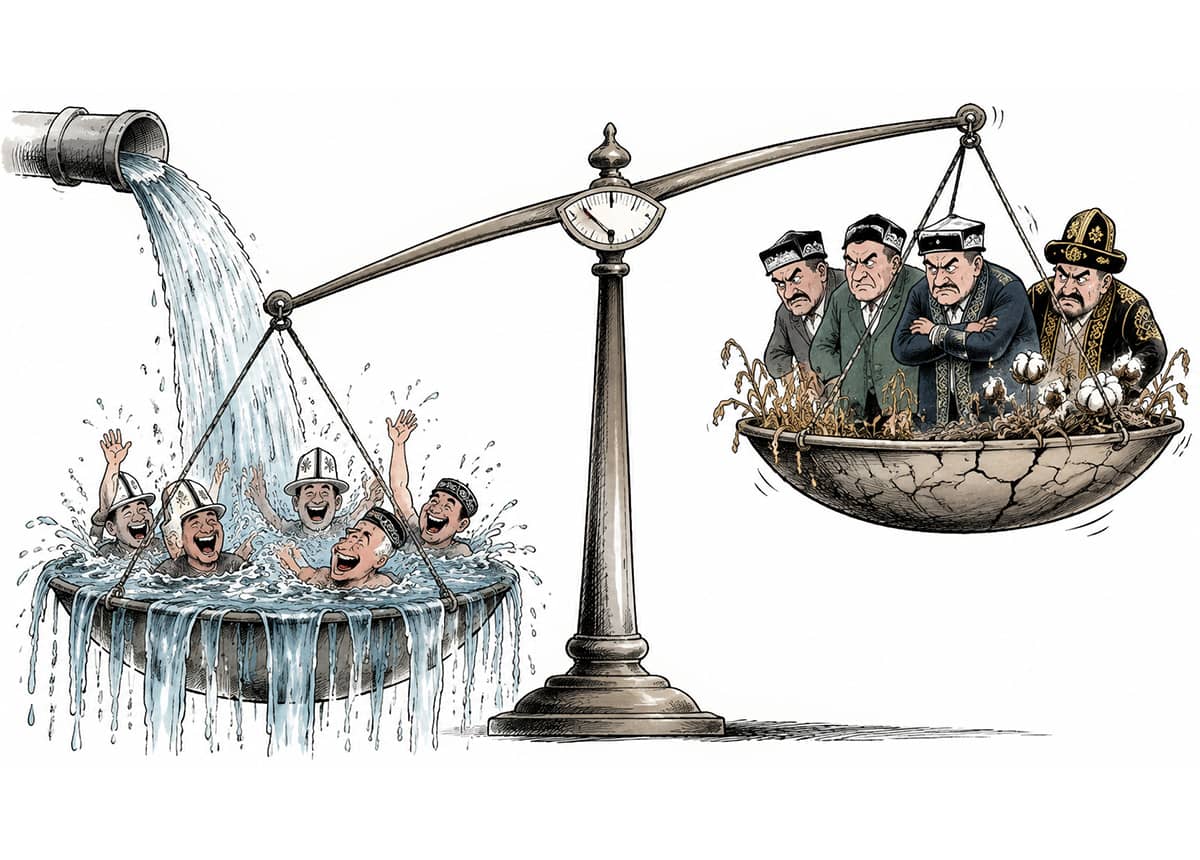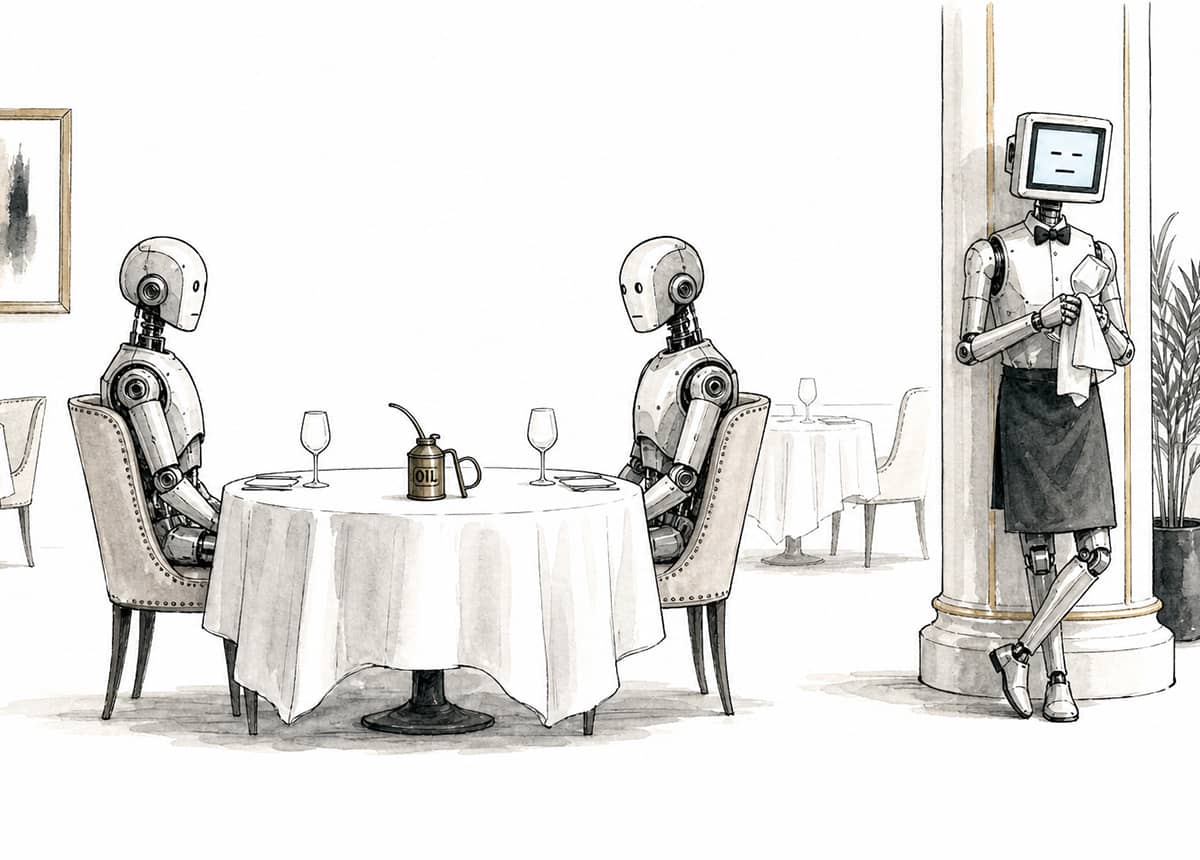

The world, or at least its developed sector, is rapidly transforming into a global nursing home.
The Global Context
The European Union has long been a permanent resident here. Its attempts at rejuvenation through migration flows from Africa and the Middle East have failed to solve underlying issues, instead creating an entirely new set of systemic challenges. China is facing the catastrophic fallout of its "one-child policy," graying at a pace that outstrips its economic growth. Russia today is trapped in a structural demographic crisis: an aging nation and a shrinking labor force, set against a backdrop of geopolitical instability that severely limits its room for economic maneuver.
In this landscape, the United States remains the only effective "brain vacuum," ruthlessly suctioning global talent to feed its ever-growing needs. At the opposite end of the demographic spectrum lie the countries of the Sahel, Bangladesh, Afghanistan, and Pakistan—places where a massive youth population is aggressively demanding its place in the sun.
Central Asia Rising
Today, Central Asia is the youngest "neighborhood" in Eurasia. While the North and West shrink, this region is booming. This is what economists call a "demographic dividend"—a historic window of opportunity where the working-age population significantly outnumbers dependents. However, in political science, a "youth bulge" is a neutral phenomenon. It is pure kinetic energy. We are faced with two extremes:
The "Surfing" Scenario: If the institutional "surfboard" (education, rule of law, modern labor markets) is sturdy enough, the region catches the wave, leaps into a prosperous future, and completes the transition from a developing to a developed economy.
The "Wipeout" Scenario: If the board is flawed and the rider lacks skill, the wave will simply crush the system that dared to reach for heights it could not sustain.
The Primary Risk: From Dividend to Detonator
The greatest danger is not merely "brain drain," but "brain waste." When a university graduate from Tashkent or Astana ends up delivering pizza in Warsaw, picking strawberries in Manchester, or working a construction site in the Moscow suburbs, it represents a total systemic failure. If millions of energetic, digitally connected, and increasingly frustrated young people cannot find functioning "vertical elevators" at home, they won't just leave. They will become the demographic bomb that shatters the very systems that failed to "digest" their potential.
The Bottom Line
Central Asia is currently the only major reservoir of human capital in the heart of Eurasia. Yet, this capital is either leaking abroad or, worse, accumulating unspent energy at home, forming a critical mass. To stop being a mere donor and start being a player, the "Old Systems" must evolve faster than the population grows.
The wave is already here. You either stand up on the board, or you end up beneath it.