
The term "Balkanization" first emerged from the dissolution of the Ottoman Empire and later solidified following the fragmentation of Yugoslavia.
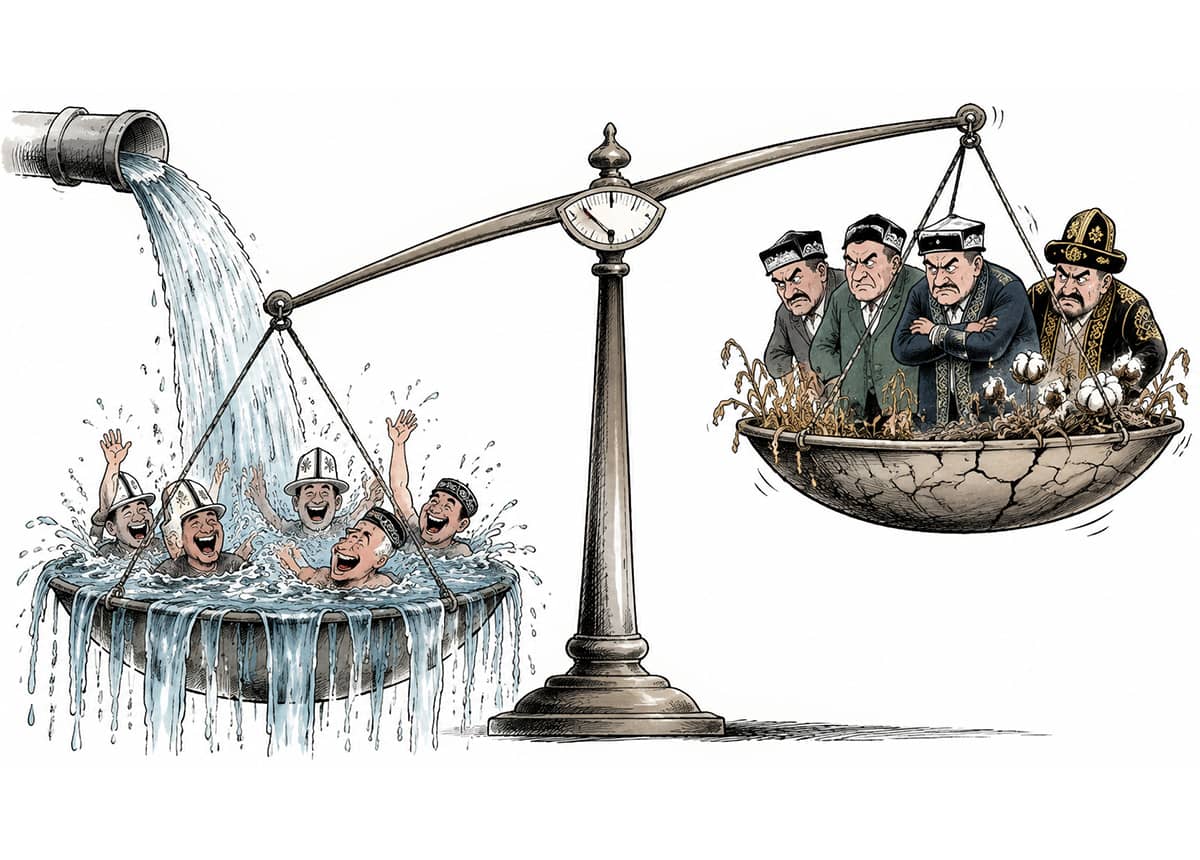
Today, this concept has found a new and consequential home in global logistics. In the context of supply chains, Balkanization represents the systematic dismantling of established trade networks, where global efficiency is increasingly sacrificed at the altar of geopolitics. The era of sourcing from the cheapest vendor is over; we have entered an age where trade is conducted almost exclusively among "friends" and strategic partners. Instead of a unified global market, we are witnessing the rise of fragmented trade blocs, macro-zones, and in some cases, a push for total industrial sovereignty through closed-loop production.
The "Just-in-Time" model—once the undisputed gold standard of global logistics—is being methodically decommissioned. In its place, we see the emergence of fragmented, ideologically aligned trading spheres. For decades, procurement logic was simple: find the lowest bidder, regardless of geography. Today, that logic is obsolete. Recent systemic shocks, such as the prolonged Suez Canal disruptions and pandemic-era bottlenecks, have exposed the extreme fragility of hyper-optimized delivery. The "Efficiency First" mantra is being replaced by friend-shoring—a strategic redirection of supply lines toward geopolitical allies. In this new landscape, a supplier’s physical location and political orientation have become far more critical than the unit price of their goods.
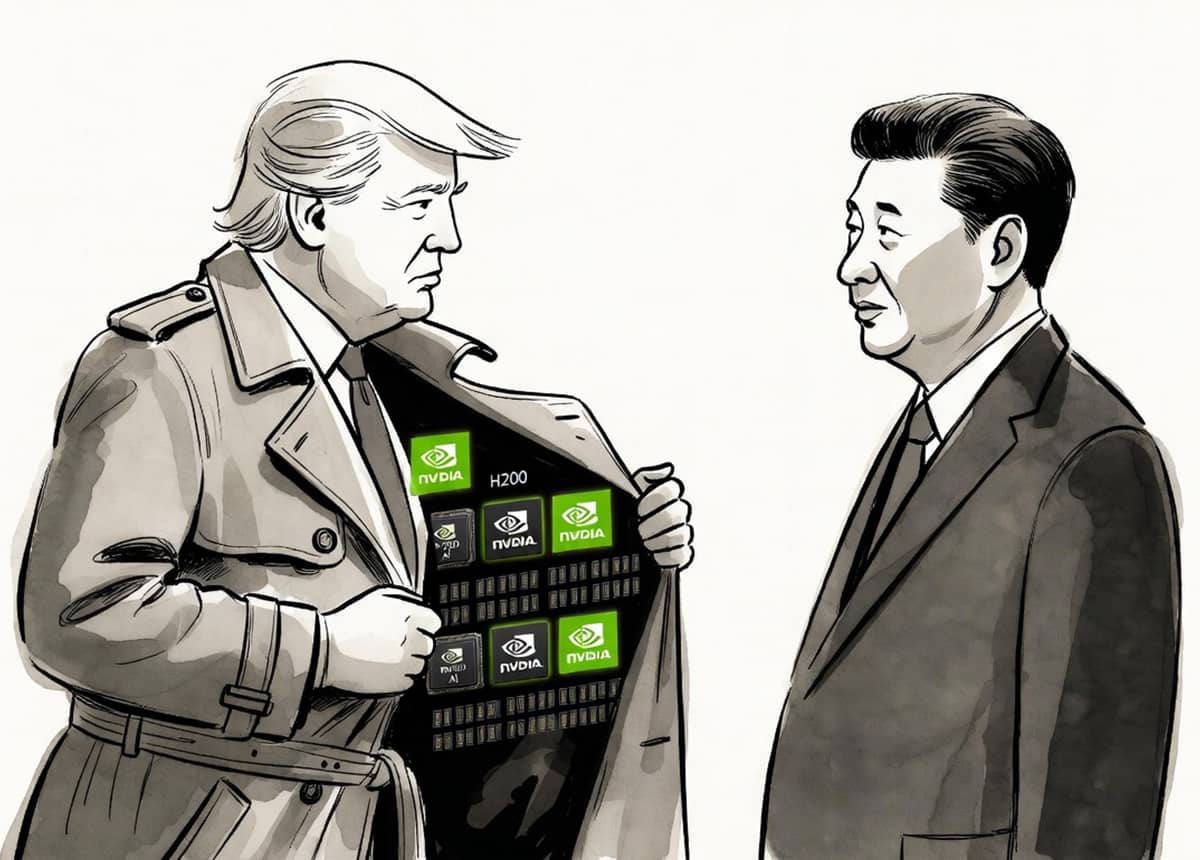
This fragmentation is not a temporary glitch in the system but a fundamental structural reordering of the global network. Modern states are now prioritizing the security of critical assets—semiconductors, energy, and rare earth minerals—willingly abandoning the traditional advantages of open trade.
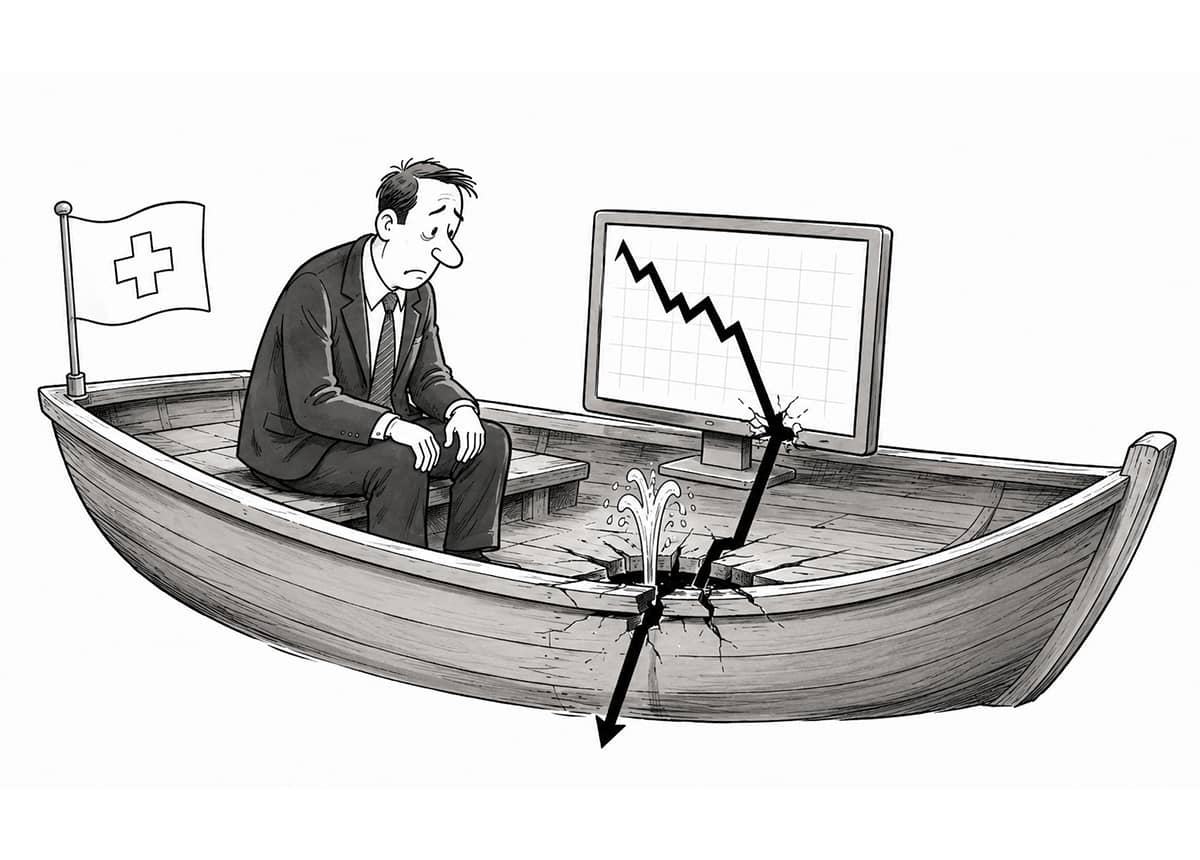
The economic fallout of this transition is already manifesting as structural inflation. The redundancy required to duplicate production lines across multiple regions inevitably drives up costs. According to recent IMF global economic outlooks, the persistent friction of protectionism and fragmented trade is keeping headline inflation above long-term targets in many advanced economies. As nations rush to decouple from traditional manufacturing hubs to reduce dependency, they are forced to pour massive capital into less efficient yet "safer" domestic or allied markets. Investors and governments alike are now paying a permanent "security tax" to insure themselves against systemic shocks and geopolitical blackmail.
As global networks continue to splinter, the competitive edge will no longer belong to those who simply minimize costs. Instead, it will shift to those who can navigate high-level complexity. The era of the seamless, unbroken supply chain has ended. The age of the Strategic Fortress has begun.